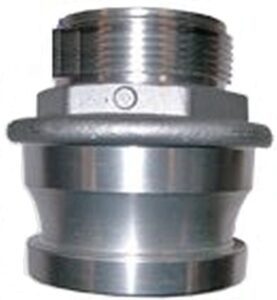
Flanged Hosetail H/D
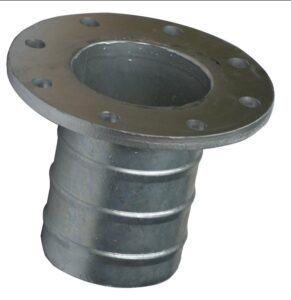
FittingsSteel Flanged Hosetail for heavy duty applications. Standard flange is Table E. Made from carbon steel they come either plain/unplated, or galvanised. Other flange patterns and sizes can be sourced.
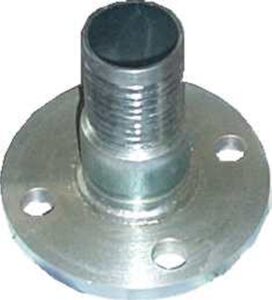


Steel Flanged Hosetail for heavy duty applications. Standard flange is Table E. Made from carbon steel they come either plain/unplated, or galvanised. Other flange patterns and sizes can be sourced.
Steel Flanged Hosetail for light to general purpose applications. Standard flange is Table E. Other flange patterns and sizes can be sourced.
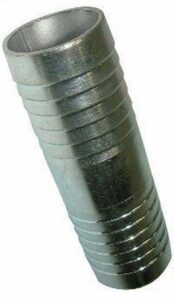
The Combination Nipple is a NPT Male Thread x Hosetail, zinc-plated steel general duty fitting for hose.
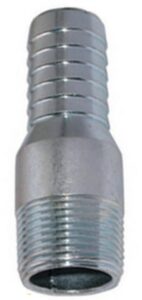
The Combination Nipple is a BSP Male Thread x Hosetail, zinc-plated steel general duty fitting for hose.
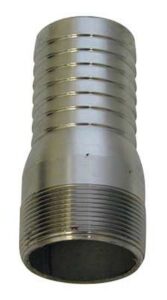
The Storz coupling is widely used by fire services worldwide and was invented for this purpose by Guido Storz in 1882. The Storz is an aluminium hermaphrodite quarter turn internal lug coupling for ease of quick connection. Conform to DIN standards 14302 and 14303. Storz size is determined by the “KA” measurement, which is the distance between the lugs.
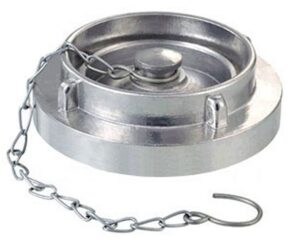
The Storz coupling is widely used by fire services worldwide and was invented for this purpose by Guido Storz in 1882. The Storz is an aluminium hermaphrodite quarter turn internal lug coupling for ease of quick connection. Conform to DIN standards 14302 and 14303. Storz size is determined by the “KA” measurement, which is the distance between the lugs.
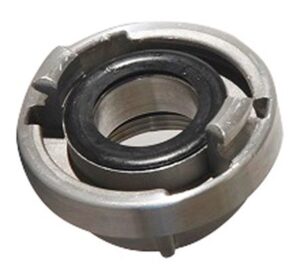
The Storz coupling is widely used by fire services worldwide and was invented for this purpose by Guido Storz in 1882. The Storz is an aluminium hermaphrodite quarter turn internal lug coupling for ease of quick connection. Conform to DIN standards 14302 and 14303. Storz size is determined by the “KA” measurement, which is the distance between the lugs.
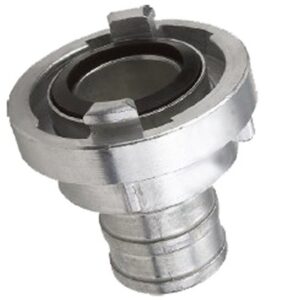
The British Instantaneous Coupling [B.I.C.], or John Morris Coupling, was developed to achieve interoperability between British fire services and was adopted by them during World War II. It is a standardised 65MM coupling and adaptor for quick connect use. The BIC fittings are reliant on pressure to provide a leak free joint and due to this should not be used for suction. BIC fittings conform to British Standard 366.
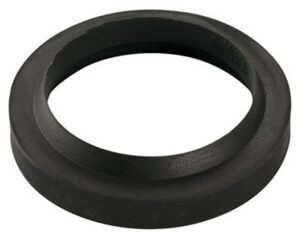
The British Instantaneous Coupling [B.I.C.], or John Morris Coupling, was developed to achieve interoperability between British fire services and was adopted by them during World War II. It is a standardised 65MM coupling and adaptor for quick connect use. The BIC fittings are reliant on pressure to provide a leak free joint and due to this should not be used for suction. BIC fittings conform to British Standard 366.
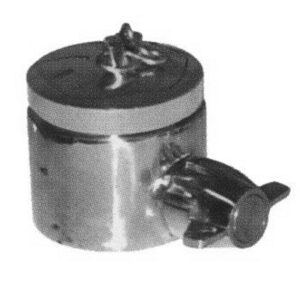
The British Instantaneous Coupling [B.I.C.], or John Morris Coupling, was developed to achieve interoperability between British fire services and was adopted by them during World War II. It is a standardised 65MM coupling and adaptor for quick connect use. The BIC fittings are reliant on pressure to provide a leak free joint and due to this should not be used for suction. BIC fittings conform to British Standard 366.
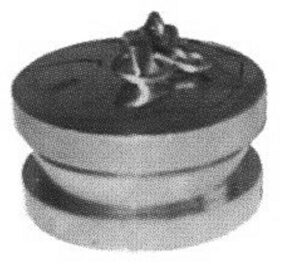
The British Instantaneous Coupling [B.I.C.], or John Morris Coupling, was developed to achieve interoperability between British fire services and was adopted by them during World War II. It is a standardised 65MM coupling and adaptor for quick connect use. The BIC fittings are reliant on pressure to provide a leak free joint and due to this should not be used for suction. BIC fittings conform to British Standard 366.